
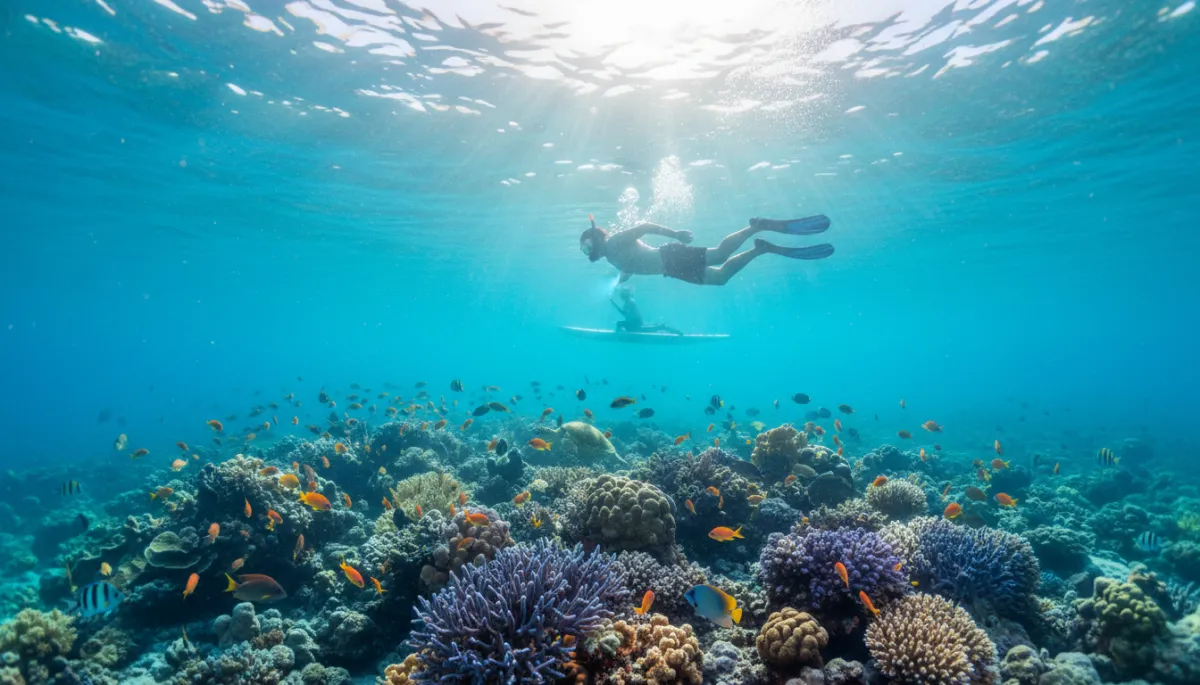
Discover Top Fort Lauderdale Snorkeling Spots
Fort Lauderdale, Snorkeling, Paddleboarding, Florida Reefs
The Ultimate Guide to Snorkeling Fort Lauderdale: Top 4 Spots and Local Tips
If you’ve ever floated over a reef off Fort Lauderdale on a clear morning, you know why locals never get tired of it. Warm water, easy beach access, and living coral reefs just offshore make this one of the easiest places in Florida to slip on a mask and drop into another world—whether it’s your first time snorkeling or your fiftieth.
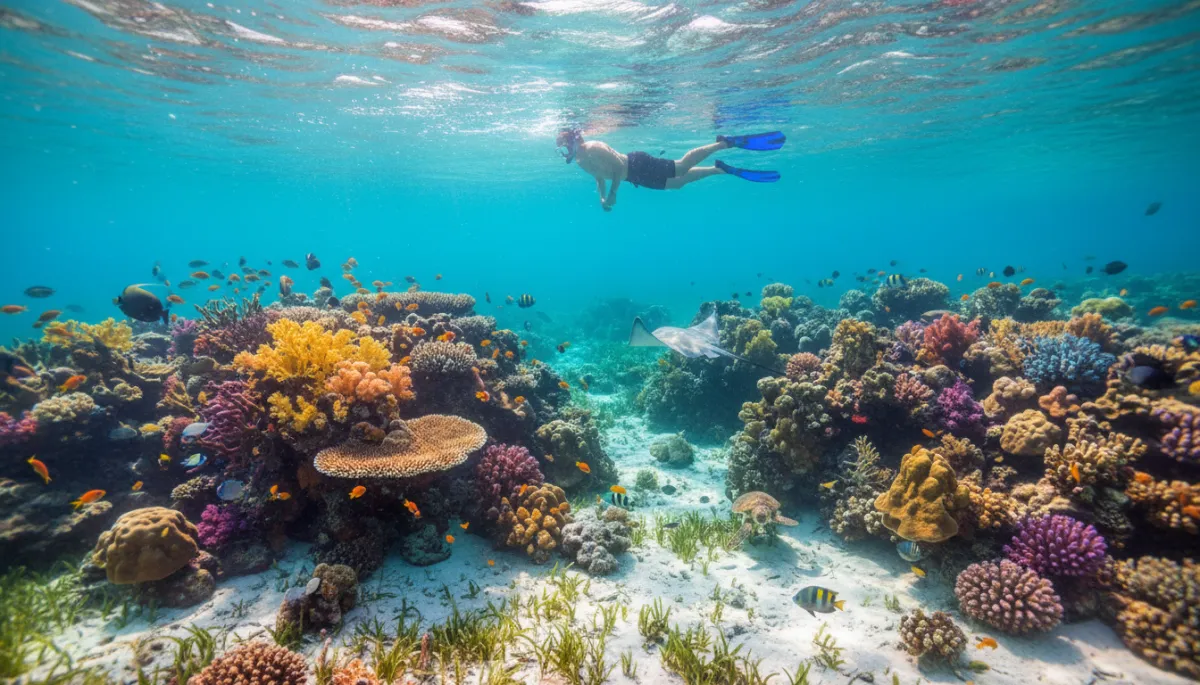
This guide, built for Sunrise PaddleBoards guests and local snorkel fans, walks you through the top 4 snorkeling spots in the Fort Lauderdale area, what you’ll see, how to plan, and exactly what to expect on a Reef Paddleboarding Adventure with a local guide who knows these reefs tide by tide.
📌 Key Takeaway: Fort Lauderdale’s best snorkeling is surprisingly close to shore—but the right timing, spot, and guide can turn a good session into an unforgettable one.
Why Snorkel Fort Lauderdale in 2025–2026?
Fort Lauderdale sits along the northern stretch of Florida’s Coral Reef—the only barrier reef system in the continental United States. It’s part of a massive living structure that runs roughly 350 miles from the St. Lucie Inlet down past the Florida Keys. These reefs are made up of hard corals, soft corals (sea fans), sponges, and limestone ridges that create perfect habitat for tropical fish, rays, and sea turtles.
In the last few years, South Florida has doubled down on reef protection and restoration. That means more mooring buoys, more education about reef-safe practices, and guided tours that are designed to show you the best of the reef while helping preserve it for the long haul. When you snorkel here now, you’re not just sightseeing—you’re visiting a living ecosystem that locals are working hard to protect.
💡 Pro Tip: Because these reefs are so close to shore, conditions change quickly. Checking wind, swell, and tide before you go makes the difference between murky water and postcard-clear visibility.
Top 4 Snorkeling Spots Around Fort Lauderdale
1. Lauderdale-by-the-Sea Reef: “Diving Capital of South Florida”
Locals call Lauderdale-by-the-Sea our “house reef” for a reason. Swim out from the beach and you’ll hit a shallow reef line that’s usually packed with angelfish, parrotfish, butterflyfish, and the occasional sea turtle cruising through like it owns the place—which it kind of does.
The reef here is close enough to shore that confident swimmers can reach it from the sand, but it still feels wild once you’re floating above the coral. You’ll see brain coral, waving sea fans, and schools of grunts and snapper moving in unison over the ridges. On calm days, the water is so clear you can see the bottom from the surface like you’re looking through glass.
💡 Local Tip: Go early—between sunrise and mid-morning. Winds are usually lighter, boat traffic is lower, and visibility is at its best before the afternoon chop kicks up.
2. John U. Lloyd Beach State Park (Dr. Von D. Mizell–Eula Johnson State Park)
Old-timers still call it John U. Lloyd, but on the map it’s now Dr. Von D. Mizell–Eula Johnson State Park. Whatever name you use, this stretch of coastline is a favorite for beginners and families. The nearshore reef system sits in relatively calm water, and the gradual depth makes it easier for new snorkelers to get comfortable without feeling rushed or overwhelmed.
Stay close to shore for sandy patches dotted with smaller coral heads and sponges, or rent a paddleboard or kayak to reach deeper sections of the reef where larger fish and more complex coral structures thrive. It’s a great place to practice equalizing, fin kicks, and surface dives in a controlled setting before you tackle more exposed sites.
💡 Pro Tip: Weekdays are wonderfully quiet. If you can swing a Tuesday or Wednesday morning, you’ll often have big stretches of water almost to yourself.
3. Hollywood North Beach Park: Quieter Reefs, Colorful Fish
Drive a little south and you hit Hollywood North Beach Park—a more laid-back alternative to the busier central beaches. The nearshore reef here isn’t as famous as Lauderdale-by-the-Sea, but that’s exactly why locals love it: fewer crowds, more breathing room, and plenty of colorful reef fish weaving through the rocks and coral.
Expect to see sergeant majors, wrasse, juvenile parrotfish, and sometimes rays gliding across the sand just off the reef. Visibility can be excellent on calm days, especially after a few windless nights when the water settles out.
💡 Pro Tip: Bring a waterproof camera or GoPro. The lighting over these shallow reefs on a sunny day is perfect for bright, high-contrast photos and short underwater clips.
4. Reef Paddleboarding Adventure with Sunrise PaddleBoards
If you want to skip the guesswork and head straight to exclusive reef spots, the Reef Paddleboarding Adventure with Sunrise PaddleBoards is the move. This guided tour blends stand-up paddleboarding and snorkeling, letting you paddle over turquoise water to reef zones that most beach-only visitors never see.
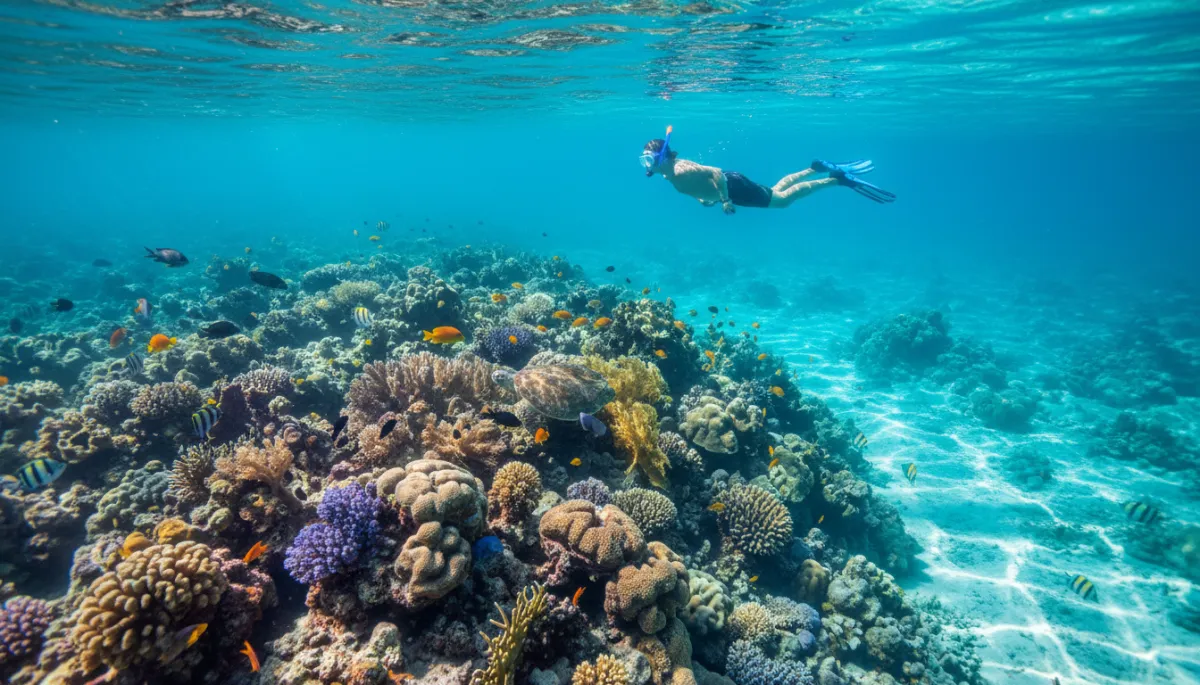
A typical Sunrise PaddleBoards reef session looks like this:
Check-in & gear fitting: You’ll meet your guide, get matched with a board, and dial in your mask, snorkel, fins, and optional flotation vest. First-timers get a quick paddle and snorkel briefing on shore.
Paddle out: You’ll stand (or kneel) on your board and follow the guide along calm water toward the reef. It’s usually a relaxed paddle, with time to look for rays, manatees (in season), and baitfish schools just below the surface.
Anchor & snorkel: At the reef, your guide secures the boards, reviews hand signals and safety, and then you slip into the water to explore. The guide points out coral species, fish behavior, and anything special cruising by—like turtles or rays.
Surface breaks: You can climb back on your board at any time to rest, warm up, or just float and watch the reef below from above the surface.
Paddle home: The group cruises back with the current when possible, with a final debrief on what you saw and how the reef is changing season to season.
💡 Pro Tip: These tours do sell out in peak season (especially weekends and holidays). Booking in advance locks in your preferred day and best time slot.
What You’ll See on Fort Lauderdale Reefs
On a good day, Fort Lauderdale’s reefs feel like swimming through an aquarium. Common sightings include:
Reef fish:Angelfish, parrotfish, butterflyfish, sergeant majors, grunts, snappers, and wrasse weaving in and out of the coral.
Florida’s Coral Reef Tract: Hard corals forming boulder and ridge structures, plus soft corals like sea fans and sea whips that sway in the current. Sponges add bursts of purple, orange, and red across the reef.
Turtles & rays: Green and loggerhead sea turtles passing through, and rays gliding low over sandy patches like stealth aircraft.
Seasonal visitors: In cooler months, manatees sometimes cruise the shallows and inlets. At night, you can occasionally see bioluminescence—tiny plankton that flash and glow when disturbed, like underwater fireflies swirling around your hand.
“On certain summer nights, every paddle stroke leaves a trail of blue sparks in the water. It’s one of those Fort Lauderdale secrets you don’t forget once you see it.”
— Local Sunrise PaddleBoards guide
Essential Snorkeling Tips for Fort Lauderdale Reefs
Check weather and conditions: Look at wind speed, direction, and swell. Light offshore or very light onshore winds usually mean calmer seas and better visibility. If you’re unsure, ask Sunrise PaddleBoards or a local shop for a quick read on the day.
Use reef-safe sunscreen: South Florida’s corals are already stressed by warming seas and disease. Chemicals like oxybenzone and octinoxate can make it worse. Choose mineral-based sunscreens (zinc/titanium), apply at least 20 minutes before you hit the water, and back it up with rashguards and hats on the paddle out.
Bring the right gear: A well-fitting mask, snorkel, and fins are non-negotiable. Add a snorkel vest or noodle if you want extra flotation. Guided tours will typically provide gear, but if you have a favorite mask, bring it.
Never snorkel alone: Always go with a buddy or a certified guide. Local guides know currents, boat lanes, and where to avoid surge and rough entry points.
Respect marine life: Do not touch or stand on coral, and keep your fins up so you don’t accidentally kick the reef. Give turtles, rays, and manatees space. The best encounters happen when you hover quietly and let them come to you.
⚠️ Warning: Even a single fin kick can break fragile coral that took decades to grow. Treat the reef like a museum—look closely, but don’t touch.
How to Plan Your Fort Lauderdale Snorkeling Day
Choose your style: Want easy beach access? Lauderdale-by-the-Sea or Hollywood North Beach Park are great. Traveling with kids or total beginners? John U. Lloyd (Mizell–Johnson) is a solid call. Want expert guidance and quieter reefs? Book a Sunrise PaddleBoards Reef Paddleboarding Adventure.
Decide on gear: You can rent locally or use the gear included with a guided tour. If you’re doing it on your own, double-check masks, straps, and snorkels the night before so you’re not troubleshooting leaks on the beach.
Lock in the best time: Morning is almost always your friend for snorkeling here. Aim to be in the water within a couple hours after sunrise for the calmest conditions and the best light on the reef.
Real Guest Experiences
“I’d never snorkeled before and was honestly nervous, but our Sunrise PaddleBoards guide talked us through every step. We paddled out over glassy water, slipped in, and suddenly we were surrounded by fish and sea fans. I even spotted a turtle. It felt like we had our own private reef.”
— Jenna T.
“I’ve snorkeled all over Florida, and this was one of my favorite mornings. The paddle out was mellow, the guide knew every coral head by name, and we hit a reef with zero crowds. Sunrise PaddleBoards made it easy to just show up and enjoy.”
— Mike R.
Fort Lauderdale Snorkeling FAQ
Do I need snorkeling experience?
No. You don’t need prior experience, especially if you join a Sunrise PaddleBoards guided reef tour. Your guide will walk you through gear, breathing, and safety, then stay close while you get comfortable in the water.
What’s the best time of day to snorkel?
Morning is best—lighter winds, calmer seas, and fewer boats. Sunrise to late morning is usually the sweet spot for visibility and comfort.
Can I combine snorkeling with paddleboarding?
Absolutely. That’s exactly what the Reef Paddleboarding Adventure is built for. You’ll paddle to the reef, anchor up, snorkel as much as you like, and use your board as a floating base the whole time.
Ready to Explore Fort Lauderdale’s Reefs?
Fort Lauderdale’s reefs are right here, just offshore, changing with every tide and season. Whether you’re chasing your first glimpse of a sea turtle or you’ve logged years in the water, there’s always another corner of the reef to discover.
📌 Key Takeaway: The easiest way to see the best of Fort Lauderdale’s reefs—safely and responsibly—is to go with a local guide who knows the water and cares about the coral.
Book your Sunrise PaddleBoards Reef Paddleboarding Adventure and let a local guide lead you straight to clear water, vibrant coral, and the kind of snorkeling memories that keep you coming back to Fort Lauderdale year after year.
